Our team members :
-

จักรกริช สังขมณี
More-than-Human Urbanism and Speculative Infrastructures
My current research examines how cities, coasts, and seas are transformed through ecological processes, more-than-human relations, law, infrastructure, and speculative visions of the future. Working across Bangkok, the Gulf of Thailand, and the Andaman coast, I approach urbanisation as a process extending beyond city boundaries through water, air, spirits, marine life, engineering projects, and differently situated communities.
My studies of Benjakitti Forest Park (co-authored with Casper Bruun Jensen) and naga cosmopolitics explore Bangkok as a more-than-human multiplicity. Benjakitti reveals rewilding as an experimental ecological infrastructure that brings flooding, contaminated water, urban heat, plants, animals, and public expectations into an unsettled process of coexistence. The naga’s persistence in the city further reveals a cosmopolitan urbanism constituted through multiple modes of existence. My research on Bangkok’s PM2.5 crisis develops the concept of the legal sensorium to examine how atmospheric harm becomes sensed, evidenced, and translated into legal claims and environmental politics.
My coastal research follows infrastructures that speculate with uncertain futures. The proposed Landbridge in Ranong reimagines the sea as a logistical corridor, producing new forms of territorial and legal enclosure. The Pearl Necklace project envisions artificial islands and flood barriers as protection for a climate-vulnerable Bangkok. These projects turn environmental uncertainty into technical images, political promises, investment possibilities, and contested coastal realities. Across these cases, I ask whose futures infrastructures and laws materialise, which relations they displace, and how alternative forms of coexistence continue to emerge.
-
วาสนา ศรีจำปา
ความเป็นเมือง : การทำความเข้าใจสภาวะเปราะบางของกรุงเทพมหานครผ่านอาหาร
กระบวนการกลายเป็นเมืองสมัยใหม่มีบทบาทสำคัญในการก่อให้เกิดความเปราะบางในพื้นที่เมือง ซึ่งมีลักษณะเฉพาะที่เกิดจากการผสมผสานของมิติต่างๆ ทั้งด้านกายภาพ สังคมวัฒนธรรม เศรษฐกิจ และคุณค่า
การศึกษานี้ใช้วิธีวิทยาการวิจัยเชิงคุณภาพและการศึกษาแบบพหุกรณี เพื่อทำความเข้าใจความเปราะบางในเมืองผ่านความสัมพันธ์ของมิติเหล่านี้ โดยมุ่งเน้นการวิเคราะห์อาหารในฐานะกระแสการไหลเวียนของวัตถุและชีวิตผู้คนในเมือง เพื่อสร้างความเข้าใจเกี่ยวกับภูมิทัศน์เมืองและสภาวะความเปราะบางที่เกิดขึ้น
ผลการวิจัยชี้ให้เห็นว่า ความเปราะบางในเมืองมีลักษณะเฉพาะและหลากหลาย โดยเกิดขึ้นได้หลายรูปแบบภายใต้โครงสร้างทางเศรษฐกิจ สังคม วัฒนธรรม และสิ่งแวดล้อมของเมือง บุคคลหนึ่งอาจเผชิญกับความเปราะบางหลายรูปแบบพร้อมกัน แม้แต่ผู้ที่มีสถานะทางเศรษฐกิจมั่นคงก็ยังอาจประสบกับความเปราะบางที่เกิดจากสภาพแวดล้อมของเมือง กระบวนการกลายเป็นเมืองจึงมีส่วนสำคัญในการสร้างความเปราะบางและทำให้ชีวิตผู้คนตกอยู่ในสภาวะเสี่ยงภายใต้เงื่อนไขการอยู่อาศัยในเมือง
การศึกษากรณีเฉพาะของกรุงเทพมหานครผ่านมุมมองด้านอาหารในฐานะกระแสการไหลเวียนของวัตถุ แสดงให้เห็นว่าการวิเคราะห์กระบวนการของเมืองสามารถเผยให้เห็นลักษณะเฉพาะของเมืองและรูปแบบความเปราะบางที่เกิดขึ้น กรุงเทพมหานครไม่ได้เป็นเพียงพื้นที่ที่มีประชากรหนาแน่น แต่กระบวนการกลายเป็นเมืองได้หล่อหลอมวิถีชีวิตรูปแบบใหม่ ซึ่งฝังรากลึกในชีวิตประจำวันของผู้คนจนกลายเป็นความคุ้นชิน ส่งผลให้ผู้อยู่อาศัยในเมืองต้องเผชิญกับความเปราะบางในรูปแบบต่างๆ
ดูรายละเอียดเพิ่มเติม -

ปิยเทพ ตันมหาสมุทร
ความเหลื่อมล้ำที่รู้สึกได้: ความหนืดพรุนของกลิ่นเหม็นและความร้อนจากการประกอบร่วมในกรุงเทพมหานคร
การศึกษาเมืองเป็นเรื่องที่ท้าทายมากขึ้นท่ามกลางการขยายตัวของเมืองอย่างรวดเร็วและการเปลี่ยนแปลงของสภาพภูมิอากาศในระดับมหภาค นักวิชาการเรื่องเมืองต่างพยายามทำความเข้าใจการเปลี่ยนแปลงของเมืองที่เกิดขึ้นตามยุคสมัย
งานด้านสถาปัตยกรรมศาสตร์และผังเมืองทำความเข้าใจพื้นที่ด้วยการกำหนดสเกลเป็นหย่อมย่าน เช่น เขต จังหวัด แขวง ชุมชน ฯลฯ ขณะที่งานศึกษาทางสังคมศาสตร์ยังมองเมืองในฐานะการประกอบสร้างทางสังคม มุมมองเหล่านี้อาจละเลยการดำรงอยู่ของวัตถุสภาวะที่มนุษย์ไม่สามารถมองเห็นหรือสัมผัสได้
งานศึกษานี้เสนอว่าการอยู่อาศัยในเมืองสามารถทำได้ด้วยกระบวนการคิดเชิงประกอบร่วม (assemblage thinking) ผ่านการใช้พื้นที่บ้าน-ย่านที่เผชิญกับกลิ่นเหม็นและความร้อน กรณีศึกษานี้จะช่วยสะท้อนให้เห็นความหนืดและปรุพรุนที่ทำให้วัตถุสภาวะไหลเวียนคร่อมข้ามไปมาระหว่างพื้นที่ได้ ผู้ศึกษามองกลิ่นเหม็นและความร้อนในฐานะการประกอบร่วมจากผู้กระทำการที่หลากหลายของเมือง
สถานที่ที่ผู้ศึกษาใช้เป็นตัวแทนของ “บ้าน” คือ ตึกแถว รูปแบบของการอยู่อาศัยที่เติบโตมาพร้อมกับการกลายเป็นเมืองของกรุงเทพมหานคร เพื่อชี้ให้เห็นถึงการรับมือกลิ่นเหม็นและความร้อนภายใต้ข้อจำกัดเชิงพื้นที่และวัตถุ สำหรับการเก็บข้อมูล ผู้ศึกษาใช้วิธีวิทยามานุษยวิทยาสถาปัตยกรรมผ่านการสังเกตการณ์อย่างมีส่วนร่วมที่บ้านของผู้ให้ข้อมูลและใช้การทำผังบ้านและย่าน เพื่อใช้ทั้งข้อมูลเชิงพรรณนาและทัศนาในการวิเคราะห์กระบวนการประกอบร่วมและการไหลเวียนของกลิ่นเหม็นและความร้อน
การศึกษาการประกอบร่วมของกลิ่นเหม็นและความร้อนที่ไหลเวียนบนเส้นแบ่งอันหนืดพรุนของบ้าน-ย่านช่วยให้ผู้ศึกษาได้เข้าใจผัสสะของเมือง (sentient urbanity) ที่ทำงานข้ามไปมาระหว่างสเกลย่านและบ้าน ความเป็นเมืองลักษณะนี้เปิดเผยให้เห็นถึงความสัมพันธ์ที่ไม่เท่าเทียมที่เกิดขึ้นกับย่านภูธเรศและจอมทอง ดังนั้นงานศึกษานี้ได้เปิดเผยความเหลื่อมล้ำที่มากไปกว่าบริบททางสังคม-เศรษฐกิจ แต่เกิดจากการประกอบร่วมของเมืองที่ส่งผลให้กลิ่นเหม็นและความร้อนไหลเวียนไปยังตึกแถวและย่านทั้งสอง
-

วีรเศรษฐ ริ้วทอง
สภาวะเหนือการควบคุมของขยะ: กรณีศึกษาศูนย์กำจัดขยะหนองแขม
ที่ผ่านมา การศึกษาขยะเป็นที่สนใจผ่านแง่มุมทางการเมือง นโยบาย การไหลเวียนทางวัตถุ วัตถุนิยมทางวัฒนธรรม และโครงสร้างพื้นฐาน เมื่อขยะถูกยกให้เป็นปัญหาทางสิ่งแวดล้อม การศึกษาขยะได้หันมาสนใจประเด็นของมนุษยสมัย ในฐานะผลกระทบทางสิ่งแวดล้อมและความสัมพันธ์ที่มากกว่ามนุษย์มากขึ้น การศึกษาขยะในแวดวงสังคมวิทยาและมานุษยวิทยาของไทยส่วนใหญ่มักไม่ได้มองเห็นความสัมพันธ์พ้นมนุษย์ในการกำจัดขยะ การวิจัยนี้จึงมุ่งเน้นศึกษาความสัมพันธ์พ้นมนุษย์ในการกำจัดขยะ ที่สะท้อนว่าขยะไม่เคยเป็นวัตถุที่ถูกควบคุมตลอดเวลา แต่เปลี่ยนสภาพไปตามสรรพสิ่งที่มีความสัมพันธ์กับขยะ ผู้เขียนใช้วิธีการชาติพันธุ์วรรณนาที่มากกว่ามนุษย์ ในฐานะที่ผู้เขียนเป็นส่วนหนึ่งของการพัวพันในปรากฏการณ์ของการกำจัดขยะ เพื่อรับรู้สรรพสิ่งผ่านความพัวพันการศึกษาพบว่า ตลอดประวัติศาสตร์การกำจัดขยะของกรุงเทพฯ ตั้งแต่ยุคสุขาภิบาลจนถึงปัจจุบัน ขยะยังคงเป็นสิ่งที่ถูกผลักออกจากเมืองอย่างไม่เคยเปลี่ยนแปลง กรุงเทพฯ มีศูนย์กำจัดขยะหนองแขมที่มีโครงสร้างพื้นฐานกำจัดขยะ ได้แก่ สถานีขนถ่ายขยะ เตาเผาขยะผลิตไฟฟ้า โรงระบบบำบัดน้ำเสีย และโรงเลี้ยงหนอนแมลงวันทหารดำ โครงสร้างพื้นฐานเหล่านี้เป็นการสร้างพื้นที่ของการควบคุมขยะ เพื่อสร้างขอบเขตให้ขยะแยกขาดจากเมือง ขณะเดียวกันโครงสร้างพื้นฐานการกำจัดขยะของเมืองยังทำงานร่วมกับสิ่งที่ไม่ใช่มนุษย์ได้เช่นกัน กรณีหนอนแมลงวันแสดงให้เห็นว่า การกำจัดขยะเป็นความสัมพันธ์ที่มากกว่ามนุษย์ และอยู่ภายใต้ความสัมพันธ์ที่ควบคุมได้และควบคุมไม่ได้ในเวลาเดียวกัน
นอกจากนี้ แม้ว่าโครงสร้างพื้นฐานการกำจัดขยะเป็นสิ่งที่คอยควบคุมขยะไม่ให้รั่วไหลก็จริง แต่การศึกษานี้ชี้ให้เห็นผ่านกรณีของกลิ่น หนอนแมลงวันหัวเขียว และนก ว่าโครงสร้างพื้นฐานไม่สามารถควบคุมขยะได้ทั้งหมด และมีช่องว่างให้สรรพสิ่งอื่นเข้ามาแทรกแซง รั่วไหล ปรับตัวไปกับโครงสร้างพื้นฐานการกำจัดขยะของเมือง และสร้างผลกระทบในระดับร่างกายต่อมนุษย์และสรรพสิ่งอื่น สภาวะเหนือการควบคุมเหล่านี้ได้ถักทอการกำจัดขยะของเมือง ให้เป็นระบบนิเวศของการพัวพันระหว่างผู้คน ขยะ และสรรพสิ่งที่ไม่ใช่มนุษย์ ที่ฉายภาพการเมืองที่มากกว่ามนุษย์ในปรากฏการณ์การกำจัดขยะ
ดูรายละเอียดเพิ่มเติม ที่นี่ -
กิจพสิษฐ์ เพชรวิเศษ
Lorem ipsum dolor sit amet.
In a aliquam arcu. Ut suscipit faucibus dui. Nam enim ex, iaculis ac nulla porttitor, ornare lacinia justo. Phasellus ullamcorper maximus ultricies. Fusce placerat dui vitae enim scelerisque hendrerit. Cras suscipit justo enim, non aliquam nisl scelerisque nec. Aliquam tincidunt mi eget nibh blandit, a blandit sem sagittis. Duis neque sem, gravida a sem ut, fringilla maximus mauris. Morbi faucibus pharetra ultricies.
Morbi et lectus consectetur, fermentum lorem et, tempor erat. Quisque turpis ligula, convallis ac ex a, finibus placerat ex. Nam tincidunt, dui aliquam varius fermentum, augue sem dignissim risus, quis fermentum ante magna et massa. Aenean a mauris ut enim elementum tincidunt. Duis bibendum vestibulum dui, quis varius orci vehicula ac. ….. Loading .…. ligula sit amet consectetur. Nulla tincidunt vehicula ligula, non bibendum nisi consequat non. Duis elementum commodo dapibus. Nam ac rutrum sem. Quisque ut dui dapibus, viverra lacus vitae, luctus est. Fusce a elementum felis. Pellentesque mattis mi quis pulvinar sodales. Vestibulum nec blandit est, vitae euismod erat. Vivamus enim diam, tempus nec est iaculis, gravida sodales augue. Pellentesque ut ullamcorper nulla.
Aenean ac ligula turpis. Curabitur quis nunc libero. Nam tristique ipsum et nibh sollicitudin, a luctus nunc eleifend. Etiam iaculis sapien quam, efficitur sollicitudin neque mattis vel. Ut mauris diam, efficitur eget sagittis eu, convallis nec arcu. Etiam eu porta nibh. Nulla congue odio nec velit volutpat iaculis. Integer neque libero, dapibus eget nibh vitae. Nunc ipsum enim, elementum quis justo eget, pellentesque tincidunt leo. Pellentesque habitant morbi tristique senectus et netus et malesuada fames ac turpis egestas.
-
กรกฤต รินทระ
Lorem ipsum dolor sit amet.
In a aliquam arcu. Ut suscipit faucibus dui. Nam enim ex, iaculis ac nulla porttitor, ornare lacinia justo. Phasellus ullamcorper maximus ultricies. Fusce placerat dui vitae enim scelerisque hendrerit. Cras suscipit justo enim, non aliquam nisl scelerisque nec. Aliquam tincidunt mi eget nibh blandit, a blandit sem sagittis. Duis neque sem, gravida a sem ut, fringilla maximus mauris. Morbi faucibus pharetra ultricies.
Morbi et lectus consectetur, fermentum lorem et, tempor erat. Quisque turpis ligula, convallis ac ex a, finibus placerat ex. Nam tincidunt, dui aliquam varius fermentum, augue sem dignissim risus, quis fermentum ante magna et massa. Aenean a mauris ut enim elementum tincidunt. Duis bibendum vestibulum dui, quis varius orci vehicula ac. ….. Loading .…. ligula sit amet consectetur. Nulla tincidunt vehicula ligula, non bibendum nisi consequat non. Duis elementum commodo dapibus. Nam ac rutrum sem. Quisque ut dui dapibus, viverra lacus vitae, luctus est. Fusce a elementum felis. Pellentesque mattis mi quis pulvinar sodales. Vestibulum nec blandit est, vitae euismod erat. Vivamus enim diam, tempus nec est iaculis, gravida sodales augue. Pellentesque ut ullamcorper nulla.
Aenean ac ligula turpis. Curabitur quis nunc libero. Nam tristique ipsum et nibh sollicitudin, a luctus nunc eleifend. Etiam iaculis sapien quam, efficitur sollicitudin neque mattis vel. Ut mauris diam, efficitur eget sagittis eu, convallis nec arcu. Etiam eu porta nibh. Nulla congue odio nec velit volutpat iaculis. Integer neque libero, dapibus eget nibh vitae. Nunc ipsum enim, elementum quis justo eget, pellentesque tincidunt leo. Pellentesque habitant morbi tristique senectus et netus et malesuada fames ac turpis egestas.
Ongoing Projects:
Ec(h)otoning Bangkok
Reverberation and Speculation for Urban Uncommons
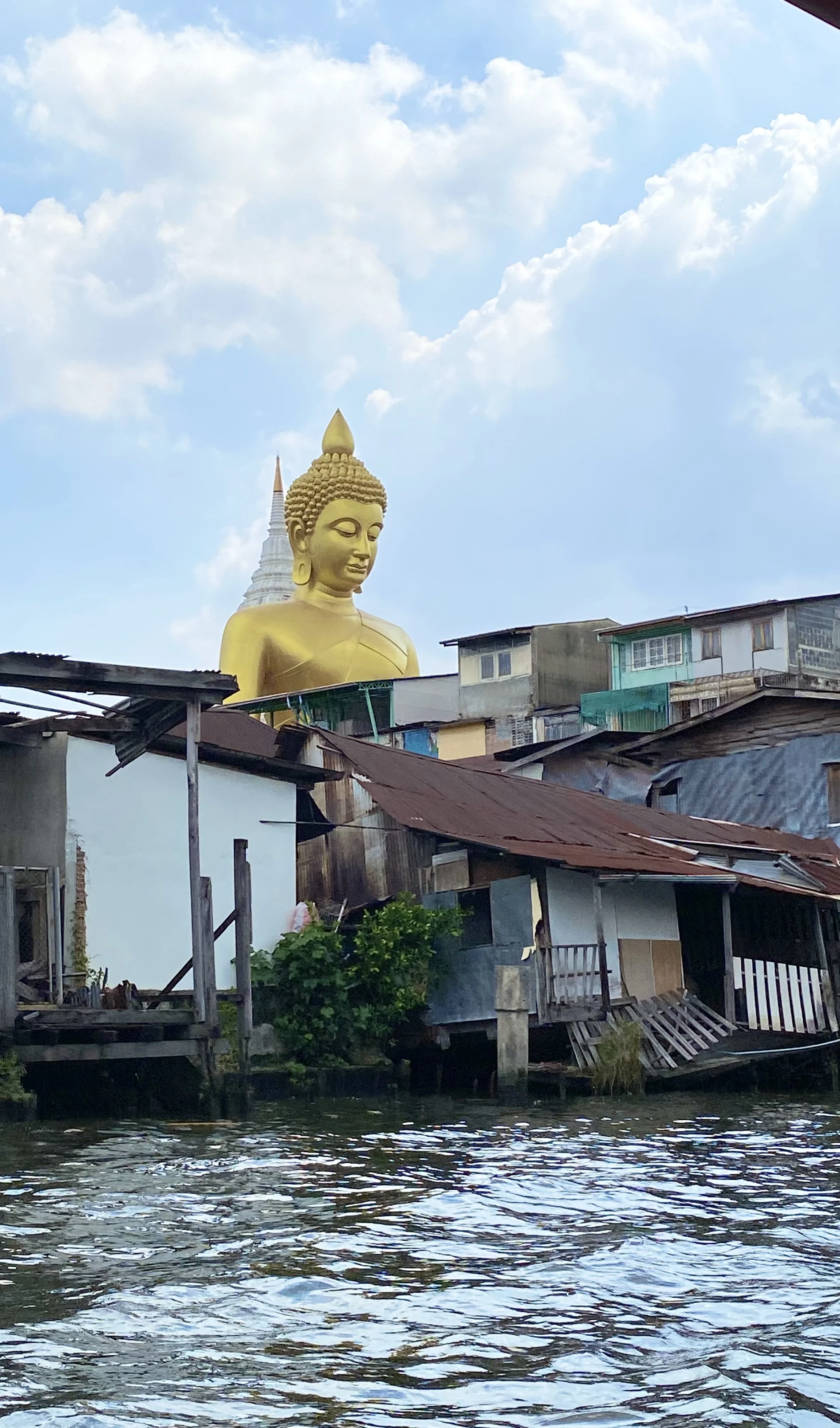
Bangkok’s ongoing urban crises—flooding, air pollution, socio-spatial inequity, heat islands, and infrastructural fragility—are emblematic of what are often called wicked problems: complex, dynamic, and resistant to one-time, technical fixes. Traditional planning paradigms struggle to address these challenges because they overlook the entangled, dynamic, more-than-human relations that shape urban life.
Building on the ecological idea of an ecotone—a zone of transition characterized by high biodiversity and dynamism—ec(h)otoning emphasizes reverberation, resonance, and ongoing adjustment between human and nonhuman actors, infrastructures, histories, and imaginations. The concept invites us to see urban space not as a fixed territory with neat boundaries but as a field of layered, shifting interactions that demand continual tuning.
Using Bangkok as a site of exploration, ec(h)otoning serves as a methodological framework and tool for addressing complex or wicked urban problems, which defy straightforward, linear solutions due to their multi-dimensional, contested, and evolving nature. Wicked problems in Bangkok—such as flooding, climate adaptation, socio-spatial inequities, and infrastructure fragility—can be approached as processes of ecological and socio-cultural negotiation and adjustment. By applying ec(h)otoning, we reposition urban research and design to emphasize continual fine-tuning between policy, practice, and participatory processes, focusing on iterative adaptations rather than one-time interventions.
Learn more
See our project website here
Speculature
Dreaming the Delta in a Drowning Bangkok
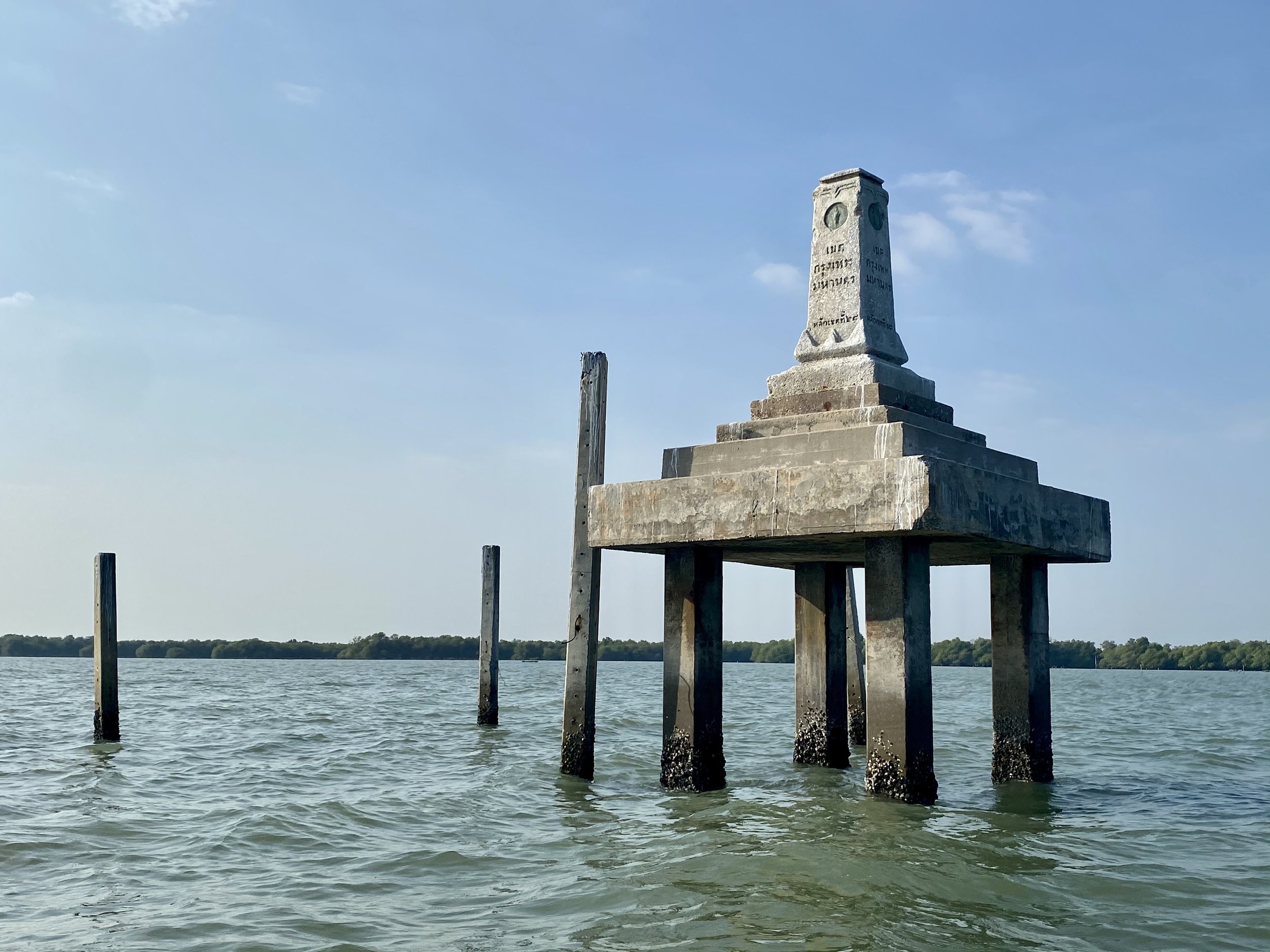
This research explores the Pearl Necklace Project, a state-initiated megaproject proposing a chain of artificial islands and floodgates in the Gulf of Thailand to shield Bangkok from rising seas and coastal erosion. Billed as a visionary act of climate adaptation, the project does not merely engineer the future—it dreams it. Through a combination of state imaginary, technical renderings, economic futurism, and planetary-scale ambition, the project materializes what I call speculature, the entanglement of speculation and infrastructure in the dealing with uncertain futures.
I argue that speculature is a genre of future-making—half-material, half-imagined—that performs techno-political desire in the midst of planetary precarity. From feasibility studies to shoreline makeshift, from master plans to waterlogged gossip, speculature blends concrete and affect, climate data and cosmology. In this research, I examine how speculature operates not only through top-down urban visioning but also through the vernacular speculations of residents in erosion-prone communities in Bang Khun Thian, the coastal fringes of Bangkok. These are the voices of those who anticipate, adapt, and resist through alternative rhythms, hopes, and fears.
Framing my ethnographic encounter through the narrative sensibility of climate fabulation, I suggest that Bangkok’s infrastructural futures are best understood not through predictive models but through layered, leaking, and affectively charged imaginaries. The project is haunted by its pasts and futures—both submerged and spectral, an attempt to stabilize a city already dissolving into dream, sediment, and speculation. The coastal edge I study is thick with time—layered with ruins, rumors, and renderings of what is yet to come. In a city already haunted by water, infrastructure becomes both a flood barrier and a speculative fiction. Speculature thus offers a conceptual tool to analyze how ecological crisis becomes governable not just through technology, but through aesthetics, anticipation, and storytelling.

MultipliCity Anthropology Research Lab is in partnership with The Global Center of Spatial Methods for Urban Sustainability (SMUS) through SMUS Thailand